
You Have a Right to a Defense Investigator

Here's How to Get One
If you or someone you love is facing criminal charges in Arkansas and can't afford a private attorney, the court will appoint one; a public defender or a private attorney taking appointed cases. What a lot of families don't realize is that your defense doesn't stop with the attorney.
If your case needs an investigator to track down witnesses, examine surveillance footage, check alibis, or dig into the facts the prosecution is relying on, the State of Arkansas has a process to pay for that too.
This isn't something you have to pay for out of pocket, and it isn't optional extra help you have to fight for. It's part of your right to a real defense. Here's how it works.

What happens next
Your attorney requests funding. They fill out a state form naming the investigator, the estimated hours, and why the work is necessary.
The State approves it in writing before any work starts. No investigator can begin, and get paid, without this written authorization. This protects you: it means the investigator working your case has been vetted and cleared by the state, not just hired informally.
The investigator does the work: witness interviews, records requests, scene documentation, video/photo evidence review, whatever the case requires.
Payment happens through the court at the end of the case, not billed to you. You are not out any money for this.

What a defense investigator actually does for you
Reviews and analyzes surveillance video and photo evidence, including older or lower-quality footage that needs enhancement to be useful
Locates and interviews witnesses the police may not have talked to
Verifies or challenges details in the police report
Documents the scene independently of law enforcement
Prepares findings your attorney can use in negotiations or at trial
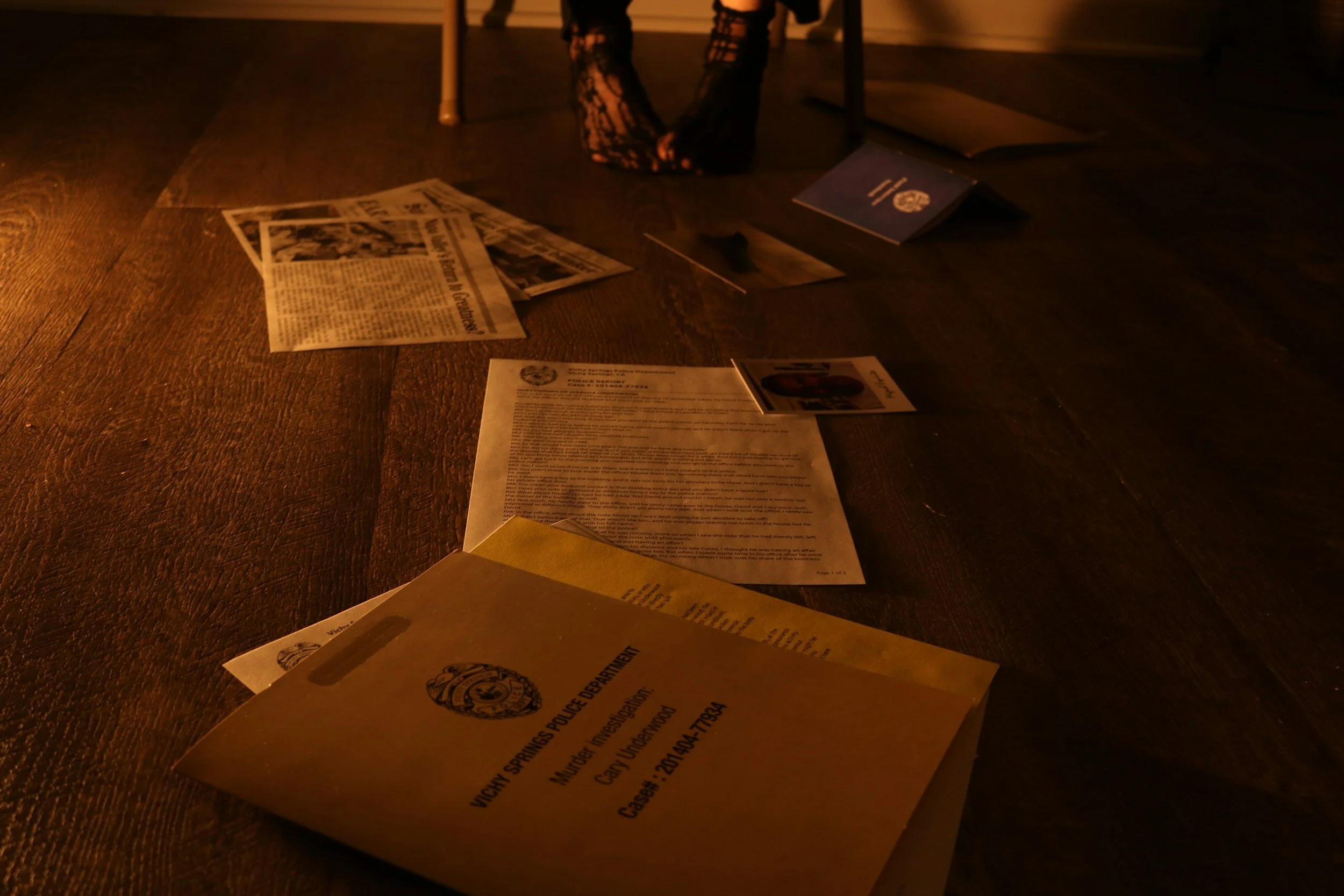
If you want a specific investigator on your case
You're allowed to ask your attorney to request a particular investigator by name, the state doesn't assign one automatically. If you or your attorney would like to talk about whether Hog Hollow Investigations is a fit for your case, we're happy to have that conversation.
Who decides you need an investigator
Your appointed attorney makes this call, not you and not the investigator. If your attorney believes your case needs investigative work like surveillance video review, tracking down a witness who saw what happened, questioning the timeline the police report lays out, they submit a request to the Arkansas Public Defender Commission (APDC), the state agency that funds indigent defense.
If you think your case needs an investigator and your attorney hasn't brought it up, ask them. You're allowed to say: “Is there surveillance footage that needs to be reviewed?" or “Can someone track down the people who were there that night?" That conversation is the first step.

What this means for you, practically
You don't pay the investigator directly. The cost is covered by the state as part of your right to counsel.
You still need to ask. Attorneys carrying heavy caseloads don't always flag every case for investigative help. If something about your case feels like it needs a closer look (video that hasn't been reviewed, a witness no one has talked to, a timeline that doesn't add up), speak up.
It has to go through your attorney. An investigator can't just start working your case because you called them directly. The request and authorization have to come from your appointed counsel.
There can be a waiting period for approval, so the earlier your attorney raises it, the more time the investigator has to do thorough work before trial.

If the request is denied
Not every case or circumstance will qualify for a state-funded investigator. The Public Defender Commission can deny the request. If that happens, make sure your attorney gets the denial in writing, with the specific reason stated. Don't let it be a verbal "no." A written denial protects your record; it matters if you want the decision reconsidered later, if circumstances in your case change, or if the denial becomes relevant on appeal.

General information only - not legal advice. Talk to your attorney about your specific case.